As Uganda continues its digital transformation journey, the importance of data integrity, data protection, and data sovereignty has become one of the most critical technology discussions of our time.
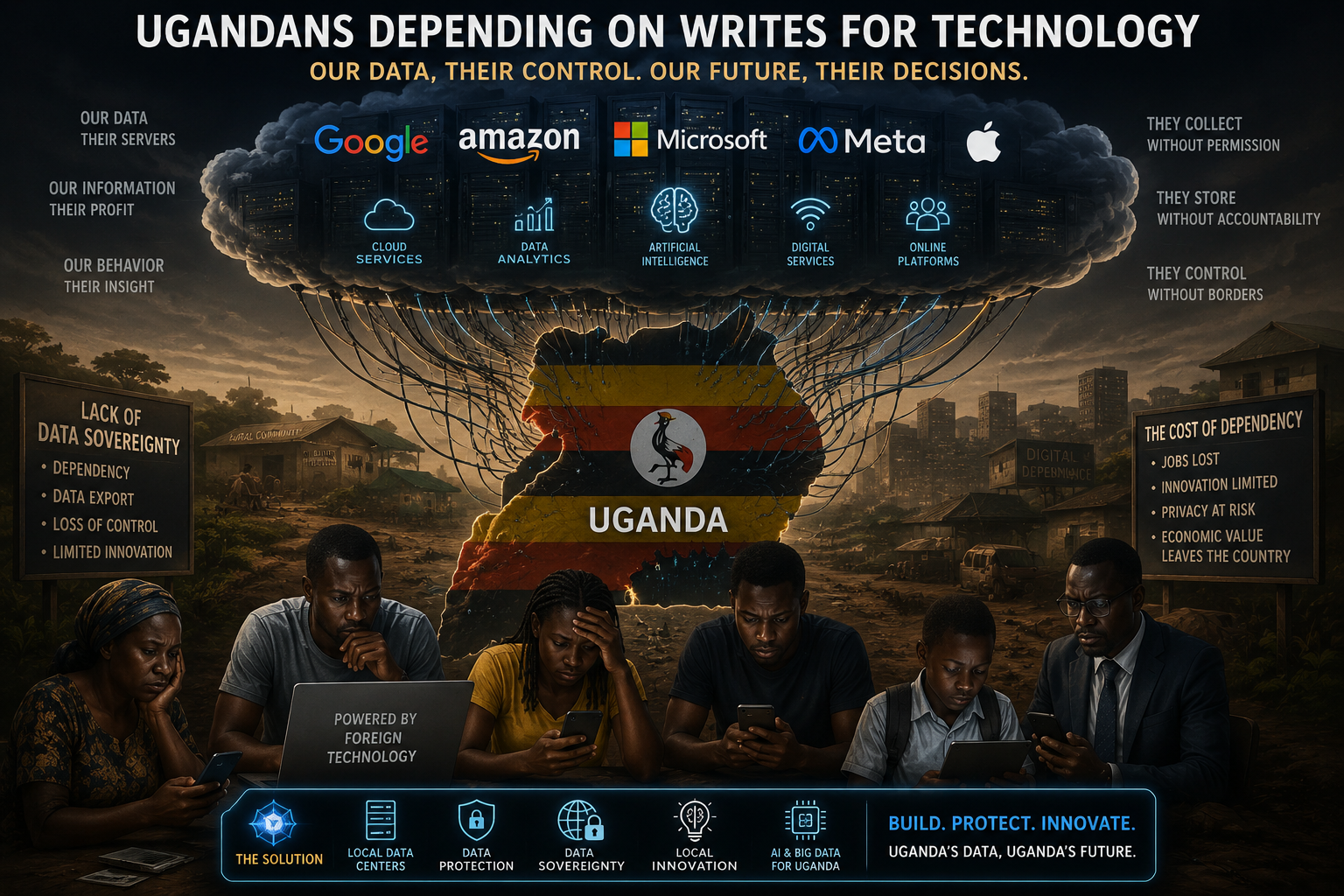
Data has become the new economic resource. Every online activity, mobile transaction, social media interaction, search, application usage, and digital service generates valuable information. However, without strong data governance frameworks and national digital infrastructure, countries risk losing control over one of their most valuable assets — their data.
Uganda has established a legal foundation through the Data Protection and Privacy Act, 2019 and created the Personal Data Protection Office (PDPO) to oversee data protection and privacy compliance. However, the rapid growth of global technology platforms creates new challenges around where data is stored, who controls it, and how it is transferred across borders..
Read MoreAs Uganda accelerates into the digital era, protecting information, controlling data resources, and building trusted AI systems has become a national technology priority.
Data has become one of the most valuable resources in the modern world. Every online search, mobile transaction, application, cloud service, and digital interaction creates information. However, without strong data governance, countries risk losing control over their own digital resources.
Uganda has developed a legal foundation through the Data Protection and Privacy Act, 2019 to promote responsible collection and processing of personal data.
Many digital services used daily by citizens and businesses operate through global technology infrastructures. Information may be processed or stored outside national borders, creating important questions about control, ownership and security.
Data sovereignty means that information belonging to citizens and organizations should be protected according to national laws and trusted governance frameworks.
Artificial Intelligence systems depend on high-quality data. If data is inaccurate, incomplete, or manipulated, AI decisions can be unreliable.
Countries and organizations with strong data infrastructure will lead the future through artificial intelligence, automation and digital innovation.
Uganda's digital growth requires investment in secure technology systems that allow data to create value while protecting citizens.
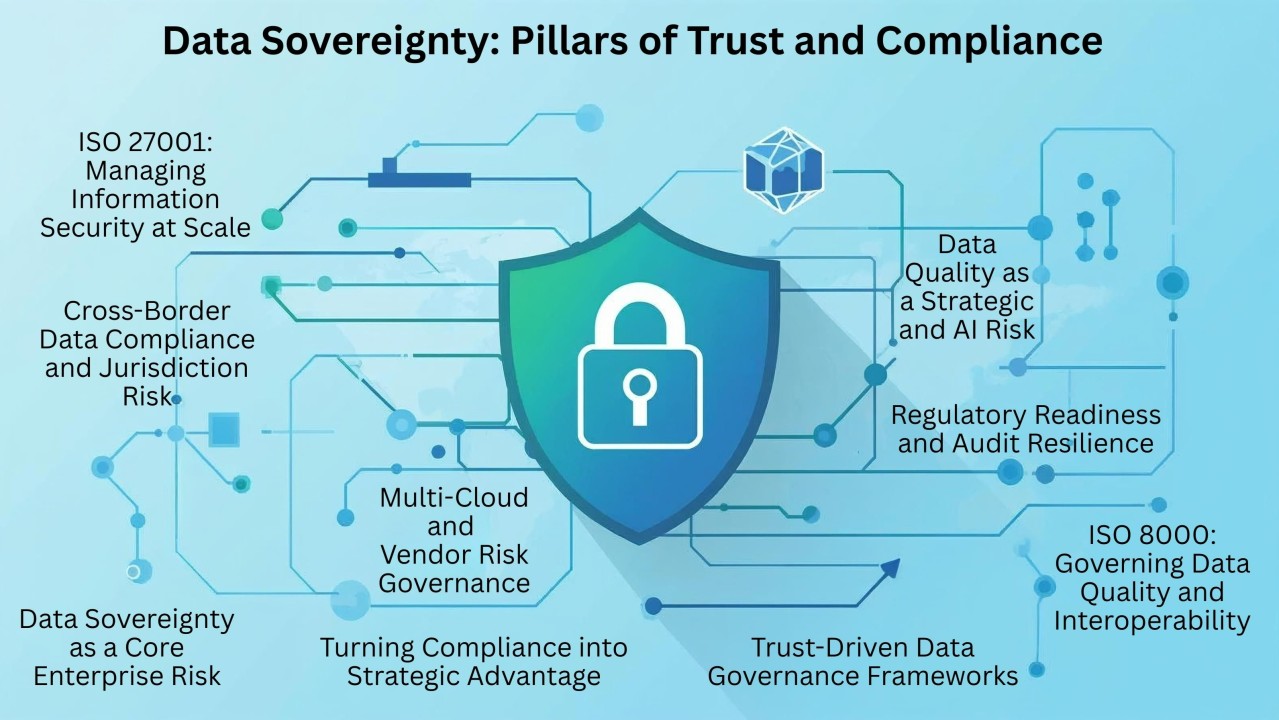
The next generation of African innovation will depend on how well we protect our information, build trusted technology systems, and develop our own intelligent solutions.
Omurama Civil and Computer Engineering Company Ltd — Engineering the Future with Data and AI.

Many digital platforms used by Ugandan citizens and organizations operate through global cloud infrastructures. Services such as search engines, social platforms, cloud applications, and online tools may process user information in data centers located outside Uganda.
This creates important questions:
Where is Ugandan citizens' data physically stored?Cross-border data processing is a normal part of the modern internet, but it requires proper safeguards, transparency, and accountability. Uganda's data protection regulator has emphasized that organizations handling Ugandan personal data must comply with Ugandan data protection obligations, including requirements around processing and transfers.
Read More
Lorem ipsum dolor sit amet, consectetur adipiscing elit. Fusce vitae risus nec dui venenatis dignissim.